November 25, 2026
Home exterior color trends continue to evolve as homeowners look for ways to create inviting, natural-looking properties. While cool gray has been a popular choice for years, warmer shades inspired by nature are becoming increasingly appealing. Colors such as beige, taupe, clay, warm brown, and muted olive offer a softer appearance that complements different architectural styles. This shift toward earthy palettes gives homeowners new opportunities to improve curb appeal while creating a timeless exterior.
Understanding the Shift Toward Warmer Exterior Colors
Cool gray has been a common choice for residential exteriors because it offers a clean, modern appearance and pairs easily with many accent colors. However, homeowners are increasingly exploring warmer alternatives that make their properties feel more welcoming and connected to the surrounding landscape. Earth-inspired colors provide a natural appearance without sacrificing versatility.
Instead of relying on cooler undertones, these shades introduce warmth and visual depth. Popular options include:
- Warm Beige: A classic neutral that creates a soft, welcoming appearance.
- Greige: A combination of gray and beige that offers a balanced transition between traditional and contemporary styles.
- Taupe: An understated shade that pairs well with stone, brick, and darker trim.
- Terracotta: An earthy reddish-brown color that adds character and visual warmth.
- Olive Green: A muted natural shade that complements landscaping and wooded surroundings.
- Warm Brown: A rich, grounded option that creates a traditional and comfortable appearance.
These colors can make homes feel more inviting while providing flexibility when selecting complementary roofing, window, and door finishes.
Exploring the Appeal of Natural Color Palettes
One reason earthy tones are gaining popularity is their ability to complement a property's natural surroundings. Warm neutrals and muted greens often work well with mature trees, gardens, stone walkways, and other landscaping features. Rather than competing with these elements, natural color palettes help create a cohesive appearance.
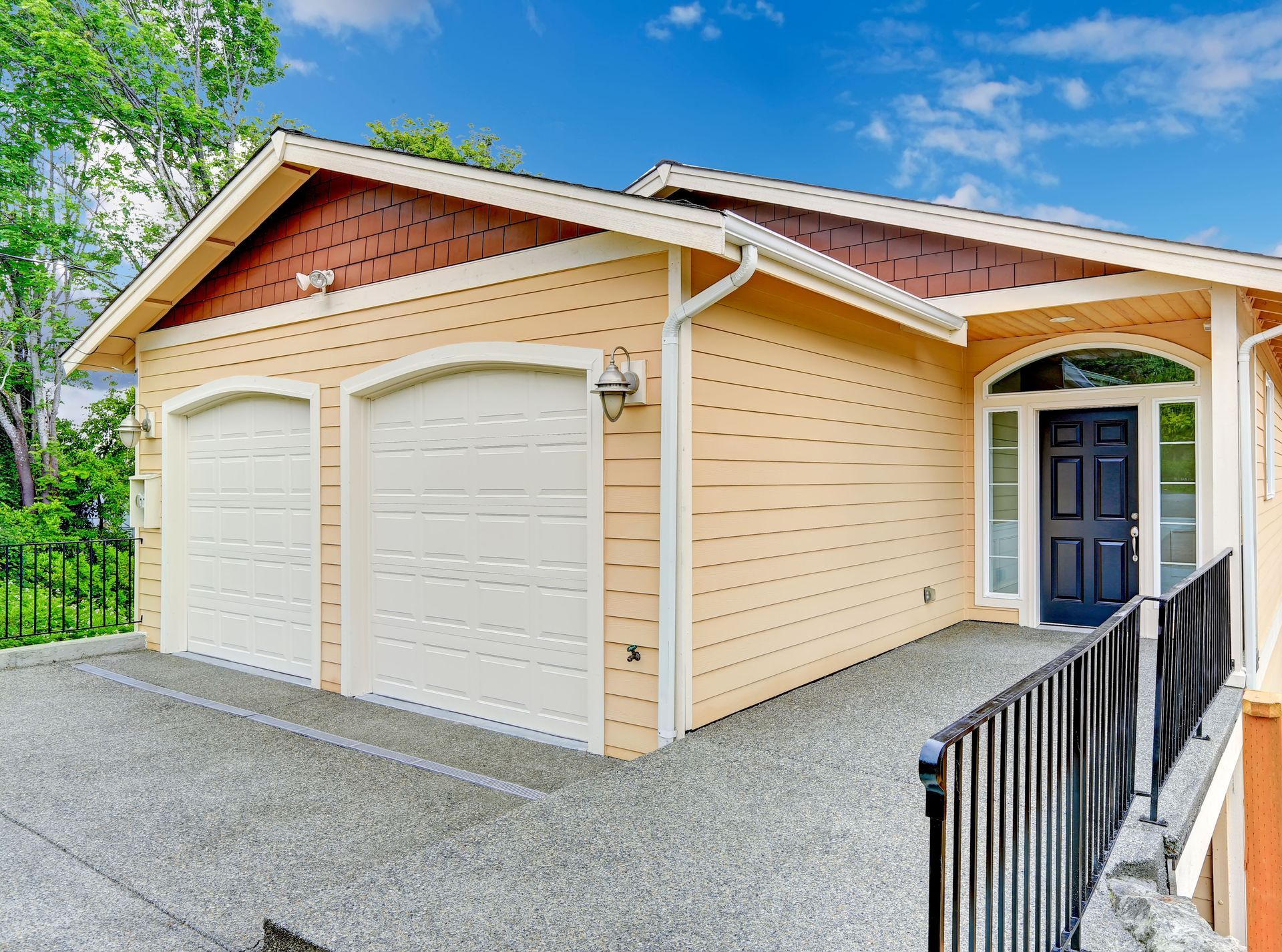
Homeowners can also use these shades to highlight architectural details. For example, a warm beige exterior can look especially attractive with dark brown shutters, black window frames, or cream-colored trim. Similarly, olive green can create an appealing contrast with natural wood accents and lighter-colored architectural features.
Another advantage is the versatility of these palettes. Earthy shades can complement traditional ranch homes, farmhouse-inspired properties, and contemporary designs. Their understated appearance also makes them less dependent on short-lived decorating trends.
When selecting exterior siding colors, homeowners should consider the existing materials and features surrounding their homes. Roof color, brickwork, stone accents, and landscaping can all influence how a particular shade looks once installed.
Coordinating Warm Siding With Architectural Features
Choosing a new exterior color involves more than selecting an appealing shade. Homeowners should consider how the primary color will interact with other architectural elements to create a balanced appearance. The right exterior siding color can complement existing features while giving the entire property a more cohesive look.
Trim, fascia, doors, gutters, and window frames all contribute to the overall design. Coordinating these features with warmer colors can help create a polished appearance without making the exterior feel overly complicated.
Consider these combinations when planning an exterior update:
- Beige and Dark Brown: Pairing warm beige with dark brown trim creates a classic look that suits traditional homes.
- Taupe and Cream: These complementary neutrals provide subtle contrast while maintaining a soft, cohesive color scheme.
- Olive Green and Natural Wood: Combining muted green with wood accents creates an organic appearance that works particularly well with natural landscaping.
- Clay and Charcoal: Earthy clay tones paired with darker accents offer a distinctive look without relying on cool gray as the primary color.
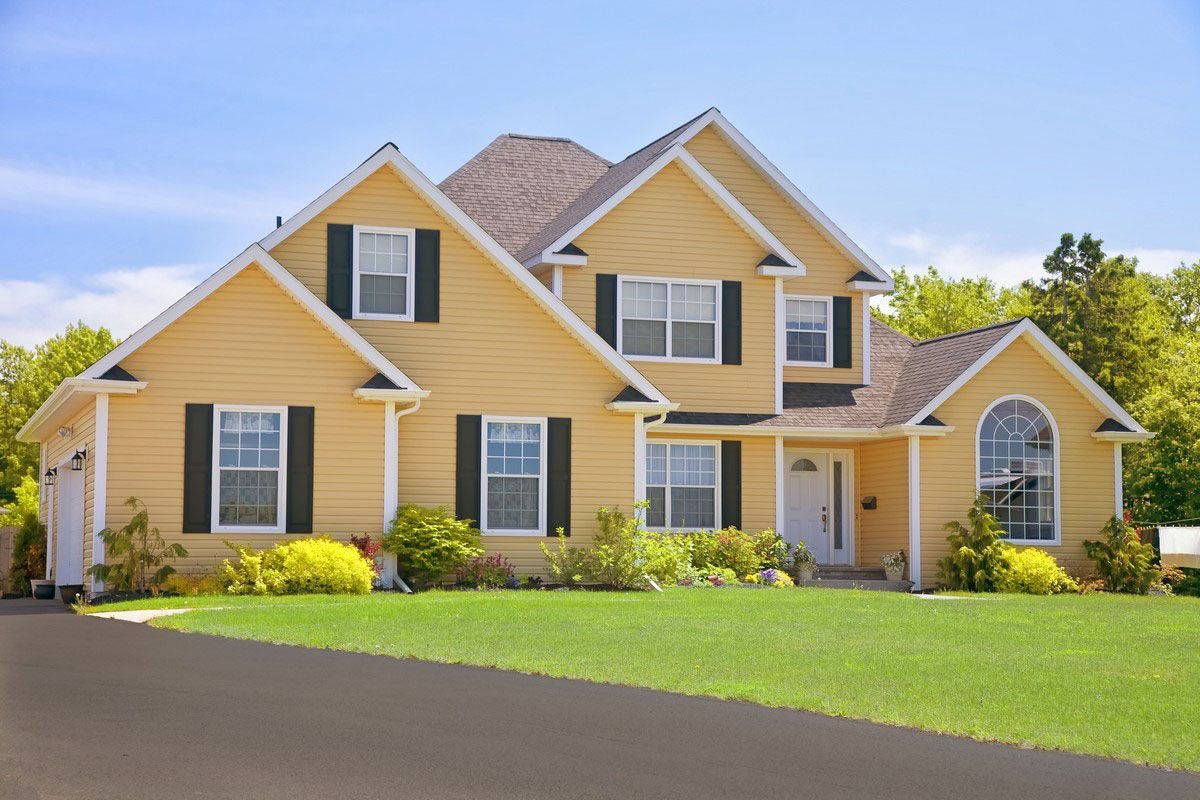
Homeowners should also consider the proportions of each color. Using a primary shade for the main exterior siding and reserving contrasting colors for trim, shutters, and doors can prevent the design from becoming visually overwhelming.
Selecting Durable Materials for Earthy Exterior Designs
Color is only one part of a successful exterior renovation. The material selected for the home also affects its appearance, maintenance requirements, and ability to withstand changing weather conditions. Choosing durable exterior siding allows homeowners to enjoy their preferred earthy color palette while maintaining dependable protection.
Vinyl siding remains a popular option because it offers a wide selection of colors and styles and requires relatively low maintenance. Homeowners can explore traditional lap, Dutch lap, board-and-batten, shake-and-shingle, and vertical designs to find an appearance that complements their preferred color palette.
Fiber cement and composite materials offer additional options for homeowners seeking durability and varied architectural finishes. Each material offers distinct characteristics, making it important to consider the property's needs before making a decision.
According to The Spruce, vinyl siding generally has an expected lifespan of approximately 30 to 40 years when homeowners provide regular cleaning and address minor repairs as needed. This makes proper material selection and ongoing maintenance important considerations for anyone planning a long-term exterior siding improvement.
Nebraskaland Siding & Windows offers several siding options, including vinyl, wood, composite, and Hardie fiber cement. Professional installation and guidance can help homeowners choose materials and colors that complement their properties while providing dependable protection.
Evaluating Color Choices Before Installing New Siding
Earthy colors can look different depending on lighting conditions, surrounding materials, and the time of day. A shade that appears warm and inviting in a showroom may look noticeably different when applied across an entire home. Evaluating exterior siding samples in their intended setting can help homeowners make more confident design decisions.
Before committing to a particular color, homeowners should evaluate samples in natural outdoor lighting. Looking at colors at different times of day can reveal changes in undertones and brightness.
It is also helpful to consider the following factors:
- Roofing Materials: Existing roof colors should complement the selected siding rather than clash with it.
- Neighborhood Appearance: Consider surrounding homes while choosing a shade that still reflects personal preferences.
- Landscaping: Trees, shrubs, flowers, and other outdoor features can influence how warm colors appear.
- Architectural Style: Traditional and contemporary homes may benefit from different combinations of colors and finishes.
- Long-Term Preferences: Choose a palette that will remain appealing beyond current design trends.
Taking time to evaluate these details can help homeowners avoid costly design changes and feel more confident about their siding renovation decisions.
Improving Curb Appeal With Professional Siding Installation
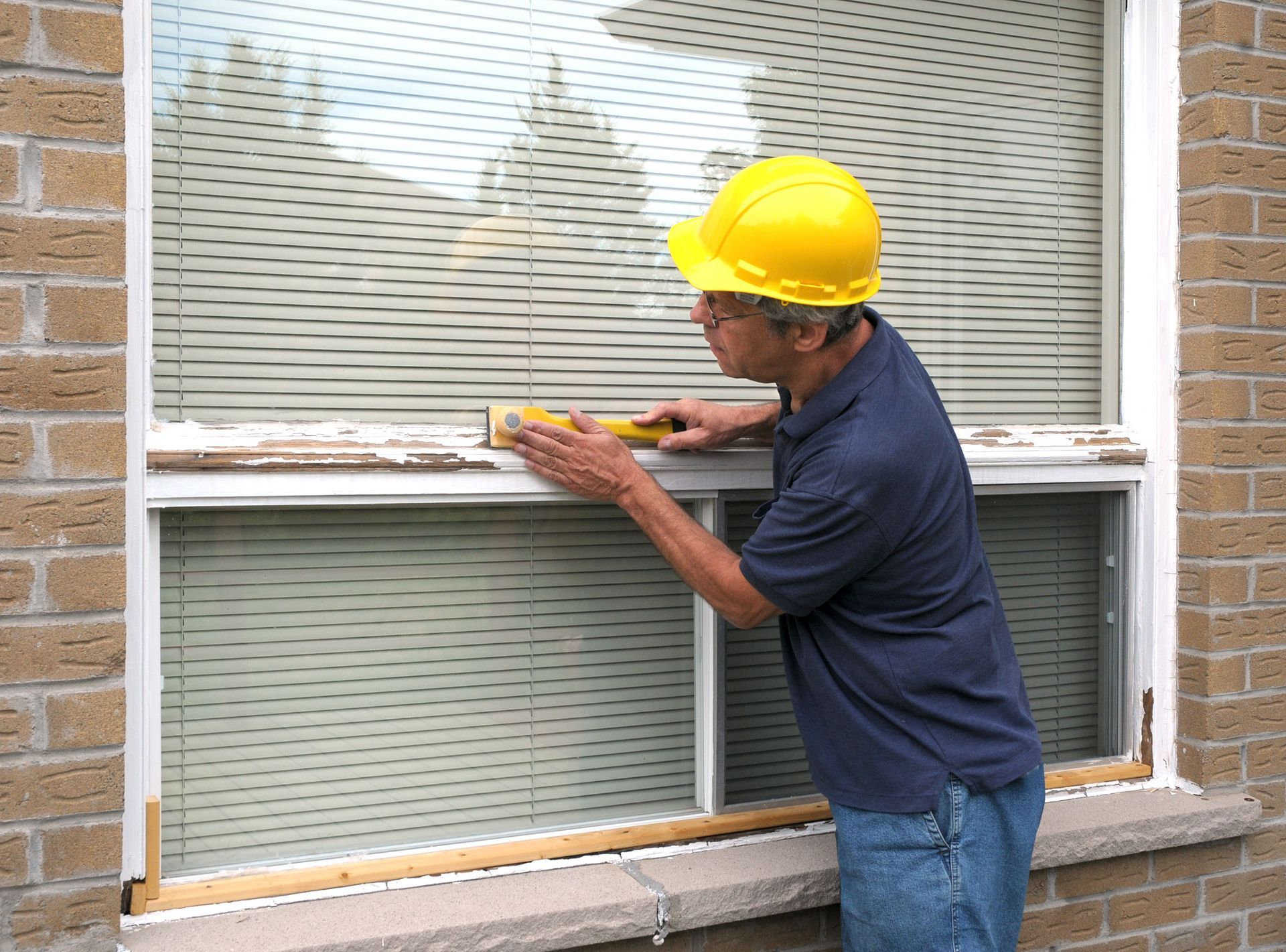
Updating a home's exterior can make a noticeable difference in its overall appearance. Replacing outdated materials or changing from cool gray to a warmer palette provides an opportunity to refresh the property while addressing existing wear and damage. New siding can also help homeowners create a more inviting appearance that complements the home's architectural style.
However, achieving an attractive result requires more than choosing the right color. Proper installation helps ensure that siding panels fit correctly, provide appropriate protection, and maintain a consistent appearance across the home.
Nebraskaland Siding & Windows provides siding installation, siding removal and replacement, and professional consultations to help homeowners plan their projects. The company also offers trim and fascia services that can complement new siding and create a more finished appearance.
With more than 50 years of experience, the locally and family-owned company serves Lincoln, Nebraska, and surrounding communities. Its team works with homeowners to explore exterior siding materials, select appropriate styles, and achieve an exterior that balances appearance and functionality.
Creating a Timeless Look With Warm Exterior Colors
The move away from cool gray reflects a growing interest in natural materials, welcoming colors, and designs that complement the surrounding environment. Warm beige, taupe, terracotta, olive green, and brown offer homeowners versatile options to refresh their properties without sacrificing timeless appeal.
Choosing the right materials, coordinating architectural details, and investing in professional installation can help ensure a successful renovation. Whether homeowners prefer subtle neutral shades or richer earth-inspired colors, updating their exterior siding can improve curb appeal while providing lasting protection. Contact Nebraskaland Siding & Windows today to explore siding options and request a free estimate for your home's exterior transformation.