April 13, 2026
Vinyl siding is a popular exterior cladding option for many homeowners due to its durability and low maintenance. However, over time, even vinyl siding can suffer from wear and tear, leading to the question: should you repair or replace it? This article explores key factors to help you make an informed decision. We will discuss common issues, signs of damage, and considerations that can help determine whether repair or replacement is the right approach. Making the right choice is important for maintaining both the appearance and protective function of your home's exterior. Many homeowners also begin evaluating options for new siding when existing materials show visible aging or performance concerns.
Basic Vinyl Siding
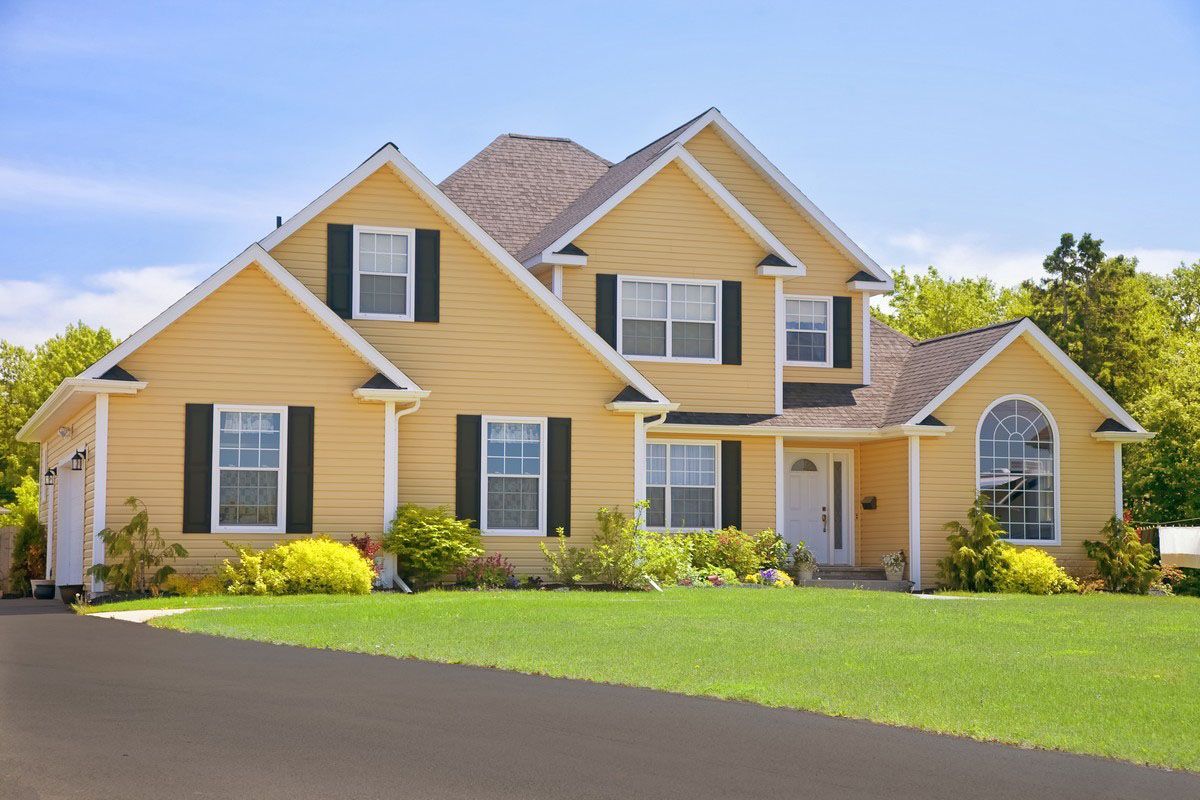
All in all, vinyl siding is a synthetic exterior cladding material commonly used on residential homes due to its affordability and versatility. It is typically made from polyvinyl chloride (PVC) and is designed to mimic the look of traditional wood siding while offering a lower-maintenance alternative. Vinyl siding comes in a variety of colors and textures, allowing homeowners to achieve a desired exterior appearance without extensive customization. It is widely used because it is lightweight, relatively easy to install, and resistant to many common outdoor elements such as moisture and wind. Many homeowners eventually compare these characteristics when evaluating new siding options for long-term exterior improvements.
Visible Repair Signs
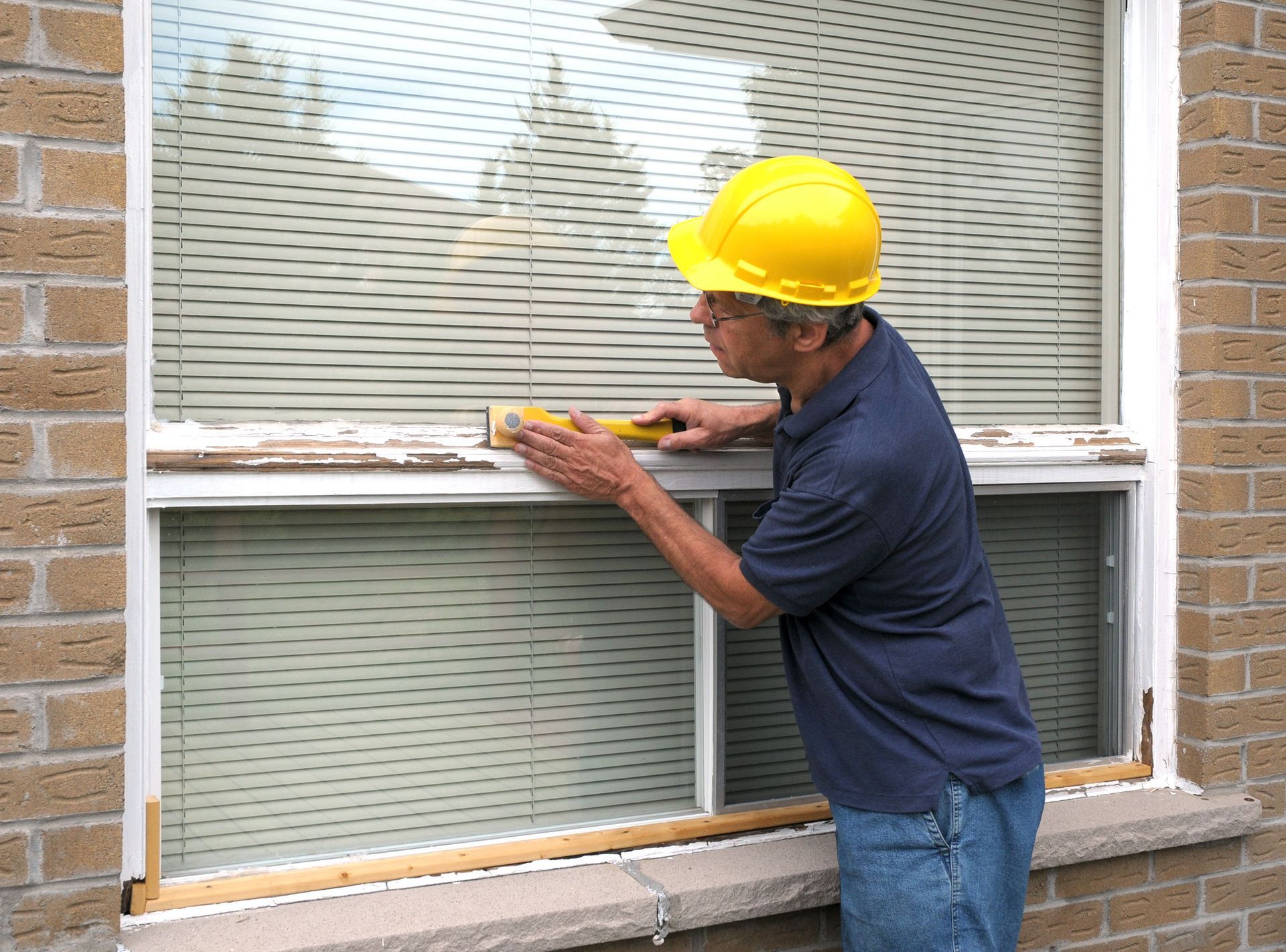
Despite its durability, vinyl siding can develop issues over time. Minor cracks and chips may occur due to impact or severe weather conditions. Fading and discoloration can result from long-term exposure to sunlight and environmental elements. In some cases, siding panels may loosen or warp due to temperature changes or improper installation. Moisture intrusion can also become a concern if gaps or damage allow water to reach underlying structures. When evaluating these issues, homeowners often compare repair options with the potential benefits of new siding for long-term performance.
Small cracks or chips in vinyl siding are often limited to surface-level damage. These issues may affect appearance but do not necessarily compromise the entire siding system. In many cases, localized sections can be repaired or replaced without removing large portions of siding. Addressing these issues early helps prevent further deterioration and may delay the need for new siding. Continued monitoring helps determine whether damage remains isolated or expands over time.
Fading and discoloration are common over time due to prolonged exposure to sunlight and weather conditions. While these changes primarily affect appearance, they may indicate aging materials. Depending on severity, homeowners may choose to replace individual sections or evaluate broader repair needs to restore a consistent exterior look. In some situations, widespread fading can signal that new siding may be a more practical long-term consideration. Appearance consistency is often a key factor in these decisions.
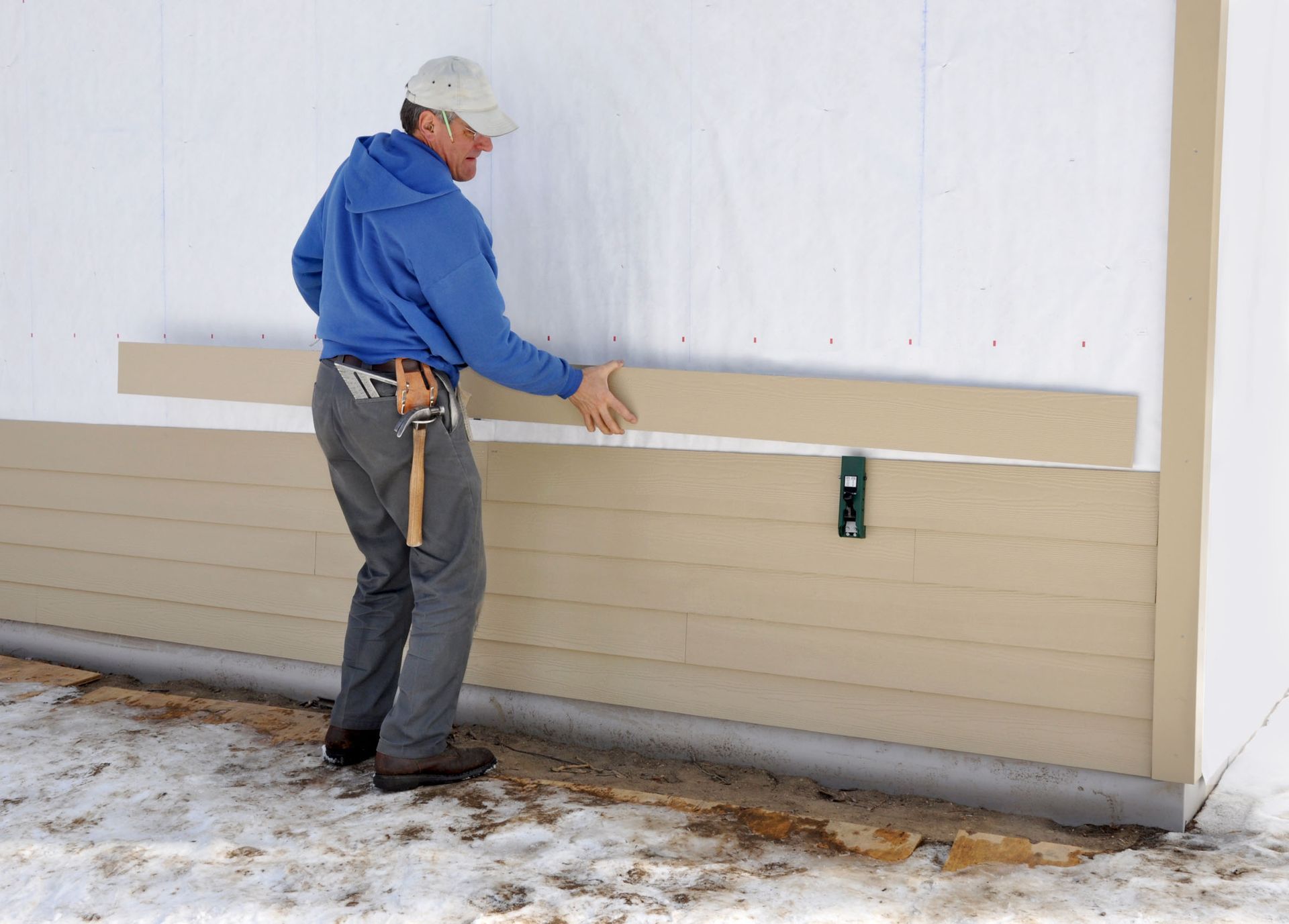
Loose or missing siding panels can occur due to wind, impact, or installation issues. These sections can often be secured or replaced individually. Prompt attention is important, as gaps in siding can allow moisture to reach underlying structures and lead to additional damage. If issues continue to reoccur, homeowners may begin considering new siding as a more stable solution. Addressing these concerns quickly helps maintain exterior protection.
Heat exposure can sometimes cause vinyl siding to warp or bend, especially in areas with strong sunlight or reflective heat sources. When warping is limited to small areas, affected panels may be replaced to restore a smooth exterior surface. Larger areas of distortion may require more extensive evaluation. In cases of widespread deformation, new siding may provide a more consistent and efficient exterior finish. Structural consistency is an important factor in long-term performance.
Necessary Replacement
When warping or buckling affects large sections of siding, repair may not provide a long-term solution. Widespread distortion can impact both appearance and performance, making replacement a more practical option. Replacing the siding helps restore a consistent exterior surface and improves overall protection. According to Mr. Handyman, if your vinyl siding is damaged and it's 10 to 15 years old or older, it's best to replace it rather than repair. In many of these situations, homeowners also evaluate new siding options to improve durability and exterior consistency.
Severe mold or mildew growth on siding can indicate ongoing moisture issues. In these cases, replacing affected siding sections may be necessary to fully address the problem. This approach helps eliminate visible damage and allows for better evaluation of underlying moisture concerns. When moisture issues persist, new siding may be considered to provide improved exterior protection. Addressing the root cause is essential for long-term results.
Repair Costs
Overall, epair costs for vinyl siding are typically lower than full replacement. Expenses depend on the extent of the damage and whether repairs are handled by a professional installer. Small repairs may require only replacement panels or patching materials, while larger repairs involve additional labor and resources. When budgeting for exterior maintenance, some homeowners also weigh whether new siding may reduce long-term repair frequency. Cost planning often includes both immediate and future considerations.
In some cases, damage may extend beyond what is initially visible. Underlying issues, such as moisture intrusion or structural concerns, may increase repair scope. A thorough inspection can help identify these issues early and provide a clearer understanding of total repair needs. Unexpected findings can sometimes shift decision-making toward new siding if damage is widespread. Early evaluation helps reduce uncertainty in planning.
Professional repair work helps ensure that replacement sections are properly aligned and secured, reducing the risk of future issues. Proper installation techniques are important for long-term performance and exterior consistency. Incorrectly installed sections can lead to additional maintenance needs over time. Careful attention to installation quality helps extend siding performance before new siding becomes necessary. Consistency in installation plays a key role in durability.
Replacement Costs
The cost of new siding depends on material type, design, and overall project size. Different product options offer varying levels of durability and appearance, allowing homeowners to choose based on budget and preference. Investing in new siding can also reduce recurring repair expenses over time. Material selection plays a major role in long-term value and performance. Planning ahead helps align expectations with budget.
Professional installation is an important factor in siding replacement projects. Labor costs vary based on project complexity and home size. Proper installation ensures the siding system is securely fitted and performs as intended. High-quality installation also supports the long-term benefits of new siding. Installation quality directly impacts durability and appearance.
Decision Factors
A careful evaluation of siding condition is the first step in determining whether repair or replacement is appropriate. This includes checking for visible damage, moisture issues, and overall material performance across the home exterior. Homeowners often compare these findings with the potential advantages of new siding. A thorough assessment helps clarify the most practical solution. Condition plays a central role in decision-making.
Budget plays an important role in deciding between repair and replacement. Homeowners often consider both short-term costs and long-term value when evaluating exterior improvement options. In some cases, investing in new siding may reduce future maintenance expenses. Financial planning helps balance immediate needs with long-term benefits. Cost evaluation supports informed decisions.
The decision to repair or replace vinyl siding ultimately depends on its current condition, the level of damage present, and your long-term plans for your home's exterior. Taking these factors into account helps ensure your siding continues to perform properly while maintaining a clean, consistent appearance. For homeowners looking for professional siding installation, repair, or replacement services, Nebraskaland Siding & Windows offers residential exterior solutions. Learn more to explore your options and next steps.